


Shpock: Buy & Sell Marketplace
2.8612.00 Reviews
App Specs
- Version
- 9.20.7
- Updated On
- License
- Free
- Downloads
- 10,000,000+
- Developer
- Shpock
- Categories
- Shopping
- Platform
- Android
Screenshots
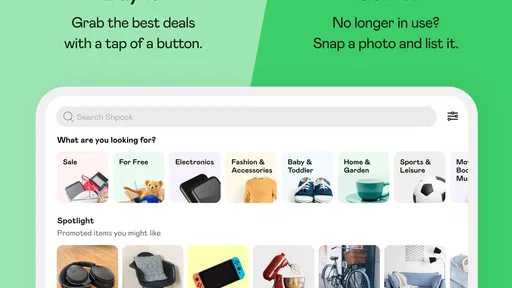
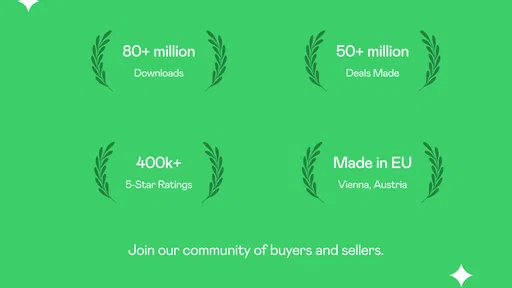
 Analysis by AppCompare
Stumbling upon the Shpock: Buy & Sell Marketplace app was like finding a hidden gem in the world of online shopping. If you’re into buying and selling locally, this app might just be your new best friend. Let me take you through my experience with it and why it could be worth a spot on your home screen.
What to expect from a local marketplace
I find Shpock most useful when I have a particular reason to look nearby: replacing a household item, clearing space, or checking whether someone close by is selling something I would rather collect than have shipped. That local focus changes the rhythm of shopping. Instead of treating every listing as a product in a vast catalogue, I weigh the item against its distance, condition, price, and the effort needed to arrange collection.
A practical example is looking for a secondhand desk. I would search by category and location, then compare listings not just on price but on the photos and description: are the dimensions clear, are there close-ups of worn areas, and does the seller explain collection arrangements? A cheaper desk farther away may be a worse deal once travel and lifting are considered. That sort of comparison is where a nearby marketplace can be more useful than a general online shop.
Shpock is a shopping app from developer Shpock, and its broad secondhand mix suits people who are comfortable browsing across different kinds of goods. It is free to download, though in-app purchases range from about fifty cents to around eighty dollars per item. I would treat paid options as optional extras rather than a requirement for simply looking around; anyone considering a purchase should check the price and terms shown in the app before confirming.
How I would use it before arranging a deal
For buyers, I would make a short checklist before messaging: the exact condition I can accept, the maximum I am willing to pay, and whether I can collect locally. Then I would ask one focused question at a time. For electronics, for instance, I would ask about working condition and included accessories rather than relying on a listing title. For clothing, I would clarify fit or visible wear. Clear questions can prevent a wasted trip and make negotiations less awkward.
It also pays to compare several similar listings before making an offer. A tempting low price is not automatically a bargain if the description is thin or the item is inconvenient to collect. I would keep communication and arrangements straightforward, avoid rushing because another buyer might be interested, and use sensible caution when deciding where and how to meet. Local convenience is a genuine advantage, but it does not remove the need to judge a seller and an item carefully.
For sellers, the strongest listing is usually the one that answers obvious questions before they are asked. I would photograph the item in good light, show any flaws, give a useful description, and set a price that leaves room for a reasonable conversation without making the listing feel unrealistic. Mentioning practical details such as approximate size or what comes with the item can reduce back-and-forth. If messages arrive, replying clearly and keeping the listing accurate helps avoid misunderstandings.
Worth Reading Before You Choose

Flipboard Shows What News Apps Must Do Beyond the Feed

Switching to Android Auto Means Rethinking Your Driving Routine

Google Calendar Makes a Crowded Week Easier to Manage

Ludo King Makes the Most of the Minutes Between Plans

Baby Panda World Brings Quick Play to Modern Phones, but Its Game Library Feels Busy

ESPN’s Live Game View Makes Following Close Games Easier
One useful trade-off to remember is that local reach depends on who is browsing in your area. An item with broad appeal may attract interest quickly, while something specialised can take longer to find its buyer. I would not plan around an immediate sale; if timing matters, compare the convenience of a local handover with the wider audience offered by other selling channels. Shpock is especially appealing when avoiding postage and arranging a nearby exchange matter more than reaching the largest possible pool of shoppers.
First Impressions and Setup
When I first downloaded Shpock, I was immediately drawn to its sleek and user-friendly interface. You know that feeling when you walk into a well-organized store? That’s exactly what it felt like. Signing up was a breeze, and I was up and running in no time. The app kindly walks you through setting up your profile, and before you know it, you're ready to dive into the world of buying and selling.
Exploring the Marketplace
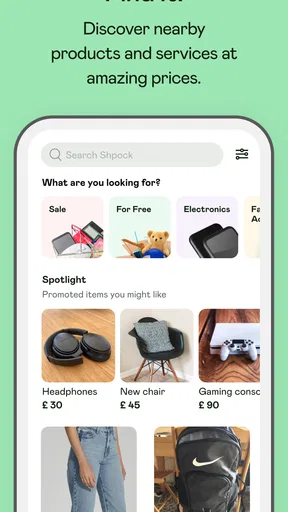
Once inside, I couldn’t help but browse through the myriad of categories available. Whether you’re looking for fashion, electronics, or even unique vintage finds, Shpock has it all. The search function is efficient, letting you filter items by distance, price, and category. I found myself scrolling for hours just because it was so easy and enjoyable to discover new items.
One feature I particularly appreciated is the location-based searching. You can see what's available around you, which is great for finding local deals and minimizing shipping hassles.
Buying Experience
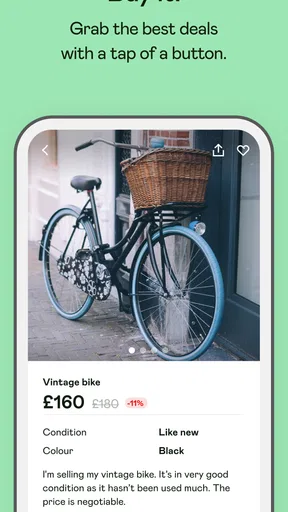
Buying on Shpock is straightforward. You can either make an offer or buy at the listed price. I tried both methods, and it was as smooth as butter. The in-app chat feature makes communication between buyer and seller seamless, ensuring you can negotiate or ask questions without any hiccups.
The app also has a secure payment system, which gave me peace of mind. Nobody likes worrying about scams or fraud, and Shpock seems to have put a lot of thought into ensuring transactions are safe.
Choosing the right way to shop
Compared with a conventional online retailer, Shpock is less about predictable stock and standardised products, and more about individual secondhand listings. That can make browsing rewarding when I am open to alternatives, but it also means I need to inspect each listing on its own merits. If I want a new item with a consistent model, return process, and delivery expectation, a conventional retailer is usually the simpler choice. If I want to find a nearby used item and can be flexible about condition, a local marketplace makes more sense.
Compared with broad classified or resale services, the practical difference I care about is whether local discovery, category browsing, and buyer-seller conversation fit the task. No marketplace guarantees that a particular item will be available nearby, so I would search more than once and widen my distance only if collection remains realistic. A small radius is convenient, but a wider search can add travel that erases the apparent saving.
Selling Your Stuff
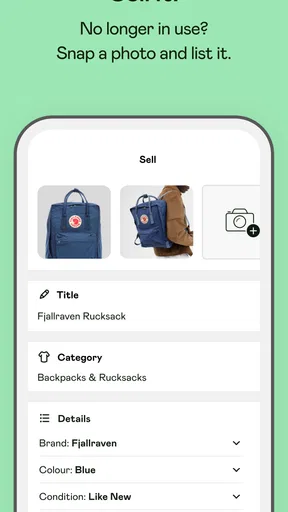
On the flip side, selling on Shpock is just as effortless. Listing an item takes just a few minutes. Snap a pic, write a description, set your price, and boom—your item is live. The app allows you to manage your listings efficiently, notifying you of any offers or messages from potential buyers.
I was impressed by how quickly my items received attention. The app seems to have a bustling community, which is a huge plus if you're looking to sell items quickly.
Where a listing can fall short
Easy listing does not guarantee a quick or smooth sale. Buyers may ask questions, make offers below the asking price, or stop replying, and sellers need patience as well as a realistic price. I would keep an eye on whether the description still matches the item and respond promptly when a serious question arrives. If I need a guaranteed sale by a specific day, I would not rely on a peer-to-peer listing as my only plan.
There is also a judgment call around payment and handover. I would read the instructions presented for a transaction, keep the agreed price and collection details clear in the conversation, and avoid assuming that every buyer or seller follows the same routine. The app’s payment tools can be reassuring, but an app cannot make an item’s condition or another person’s intentions risk-free. For higher-value purchases, I would be especially careful to verify what I am buying before completing the deal.
Community and Support
The community aspect of Shpock is something that stood out to me. Users can leave reviews and ratings, which helps build trust and transparency. Plus, if you ever run into any issues, Shpock’s support team is just a message away. I did have a minor query, and their response was prompt and helpful.
Who is likely to enjoy it?
I would recommend trying Shpock if you regularly browse secondhand goods, have room to negotiate, and can arrange local collection when it suits you. It is also a sensible place to start when clearing out things that are still useful but no longer needed. The appeal is strongest for someone who enjoys comparing individual listings and does not mind a little conversation to agree on a fair deal.
I would skip it, or use it only alongside another option, if I need a very specific item immediately, want a uniform shopping experience, or do not have the time to assess listings and coordinate with another person. People who cannot collect locally may also find that the app’s central strength matters less to them. The right choice depends on whether convenience means nearby and flexible, or fast, standardised delivery.
Its current place and what to watch
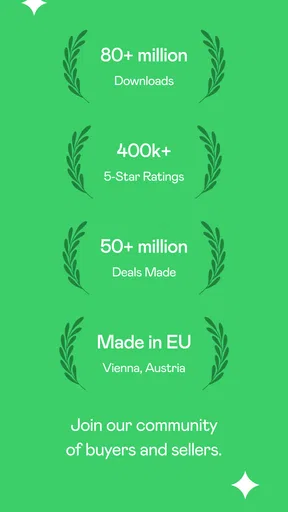
Shpock is a mature marketplace rather than a new experiment: it first appeared in 2012, and the current Android version is 9.18.7, with Android 8.0 as the minimum operating system. That gives existing Android users a concrete compatibility point to check before installing. The app has more than ten million installs, while its average rating is 2.9 from around four hundred and twenty thousand ratings; those figures suggest a sizeable audience but also a mixed overall reception. I would read recent user feedback with care, looking for comments about the parts of the experience that matter to me, rather than treating the average as a guarantee of how my local buying or selling will go.
For someone deciding whether to keep using it, the details worth watching are practical: whether relevant items appear in their area, whether messages lead to clear arrangements, and whether the latest app version works reliably on their device. The Teen content rating is another useful point for households choosing apps. I would judge the marketplace by the quality of my own searches and interactions, not by assuming that a large user base means every category or neighbourhood is equally active.
Final Thoughts
After spending some quality time with Shpock: Buy & Sell Marketplace, I can confidently say it's a solid app for anyone looking to buy or sell items locally. Its user-friendly interface, secure transactions, and active community make it a standout choice in the crowded marketplace app scene.
If you enjoy the thrill of finding bargains or have items that need a new home, Shpock is definitely worth checking out. So, what are you waiting for? Dive in and see what treasures you can discover or sell!
Pros
- User-friendly interface for seamless navigation.
- Quick listing process to sell items easily.
- Location-based search for nearby deals.
- Secure messaging system for buyer-seller communication.
- No listing fees
- making it cost-effective.
Cons
- Limited buyer protection compared to other platforms.
- Occasional bugs in the app functionality.
- Some categories lack a wide selection.
- Ads can be intrusive during use.
- Customer support response can be slow.
FAQs for Shpock: Buy & Sell Marketplace
What is Shpock and how does it work?
Shpock is a marketplace app designed for buying and selling a wide range of items locally. Users can list items for sale by uploading photos, adding descriptions, and setting prices. Buyers can browse through listings, contact sellers directly, and arrange pickups or deliveries. The app emphasizes simplicity and ease of use, making local transactions straightforward.
Is Shpock free to use?
Yes, Shpock is free to download and use for both buyers and sellers. However, there are optional in-app purchases and features that users can access for enhanced visibility of their listings or premium services. These additional features are entirely optional and designed to improve the buying and selling experience on the platform.
How secure is the buying and selling process on Shpock?
Shpock prioritizes user safety and security by offering secure payment options, user reviews, and profile verifications. While the app provides tools to facilitate safer transactions, users are encouraged to meet in public places for exchanges and to use the in-app messaging system to maintain privacy. Checking seller ratings and reviews is also recommended for a safer experience.
Can I use Shpock internationally?
Shpock is primarily designed for local transactions and is most effective within the user's country. While technically accessible from different regions, the app's functionality is optimized for local buying and selling. This focus helps ensure that users can easily arrange meetups and deliveries without the complexities of international shipping.
What should I do if I encounter a problem with a transaction on Shpock?
If you experience issues with a transaction on Shpock, the first step is to contact the other party through the app's messaging system to resolve the issue amicably. If this doesn't help, Shpock provides customer support to assist with disputes or issues. Users can report problems directly through the app, and the support team will work to address the concern.


